01
AI as a productivity multiplier
How AI accelerates and improves traditional product design activities.
I turn complex business problems into working products and scalable systems.

The key to successful product discovery is transforming a product idea into a clear business vision by aligning stakeholders around a shared goal and demonstrating early success.
This goes beyond creating prototypes — it means implementing solutions, validating their impact, and showcasing measurable business outcomes.
AI can accelerate and streamline the design process, but the critical decisions still depend on contextual understanding, ethical judgment, and the ability to build trust with stakeholders.
Success storyTalent scouting for young football players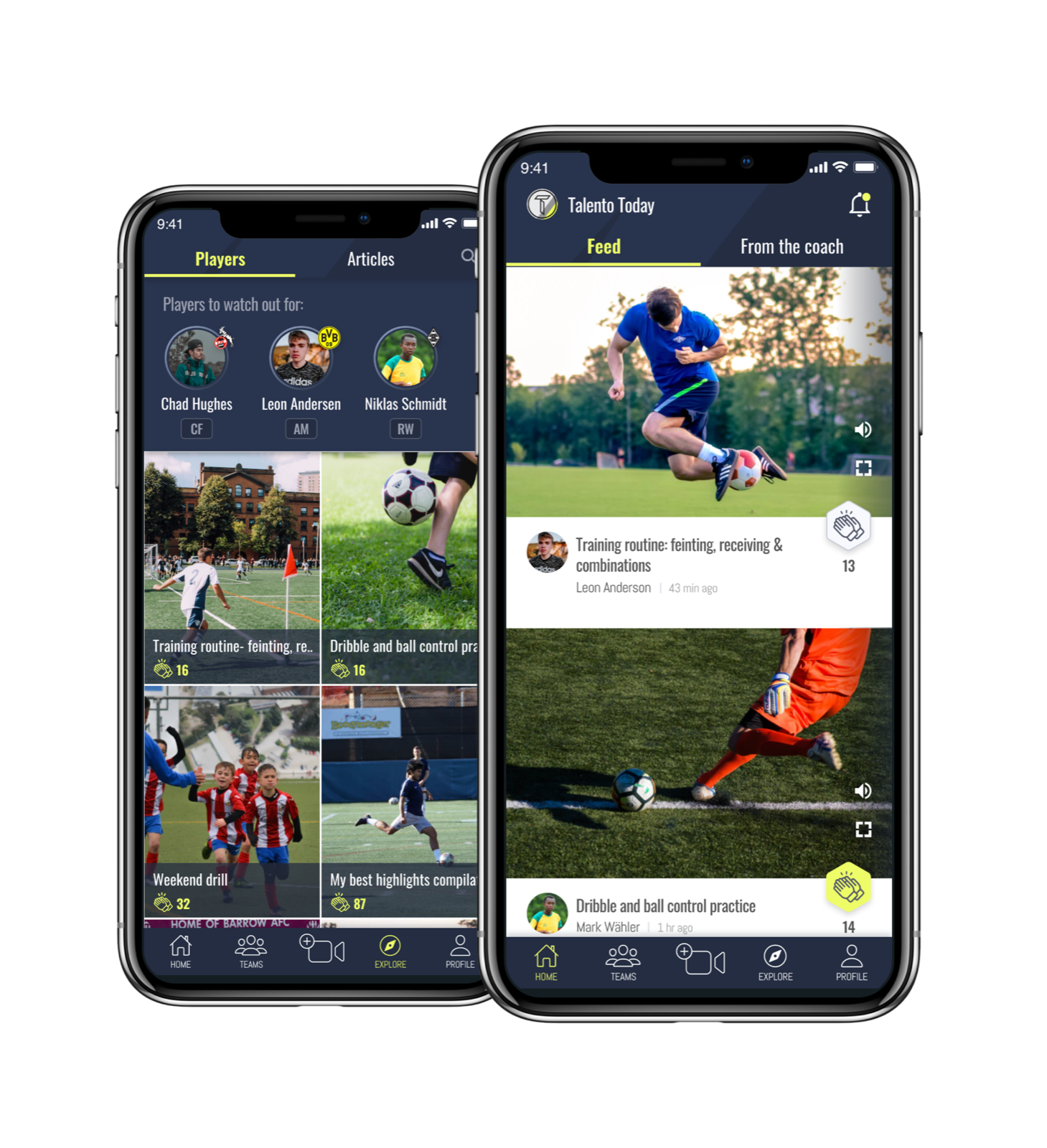
As we move from traditional discovery to AI-augmented discovery, I combine strategic design, AI-powered research, and rapid prototyping to compress product discovery from 6–8 weeks to 2–3 weeks.
By accelerating insight synthesis, exploring solution concepts, and validating ideas through functional prototypes, I help businesses reduce uncertainty, make faster investment decisions, and move toward development with greater confidence.
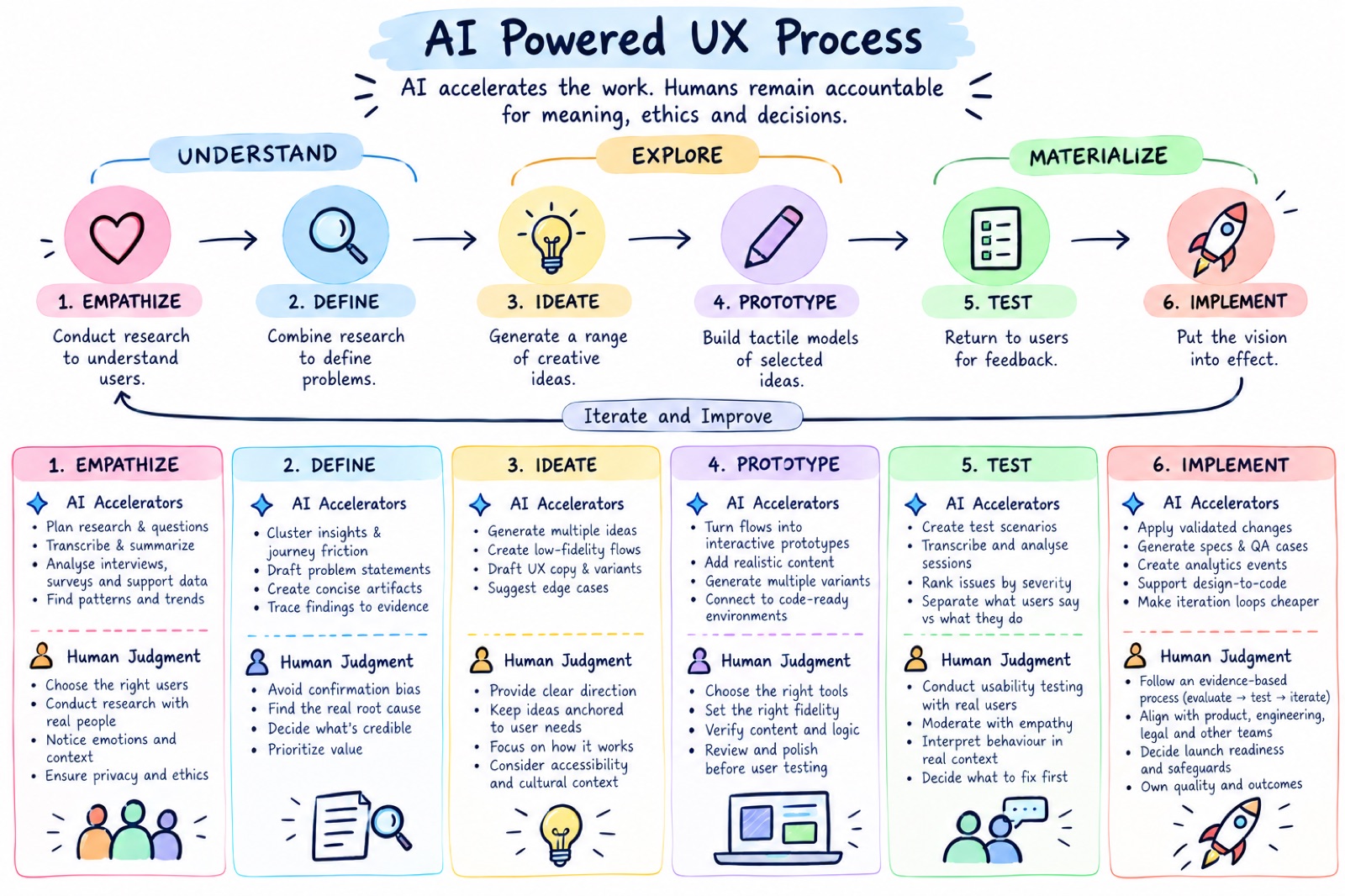
*My own crafted experiences, represented using AI
Enterprise transformation requires balancing immediate business needs with long-term strategic vision. The priority is to deliver short-term improvements that ensure business continuity and success while establishing a scalable foundation for the future — enabling consistent experiences, stronger governance, and sustainable growth across the product portfolio.
Success storyReimagining Compliance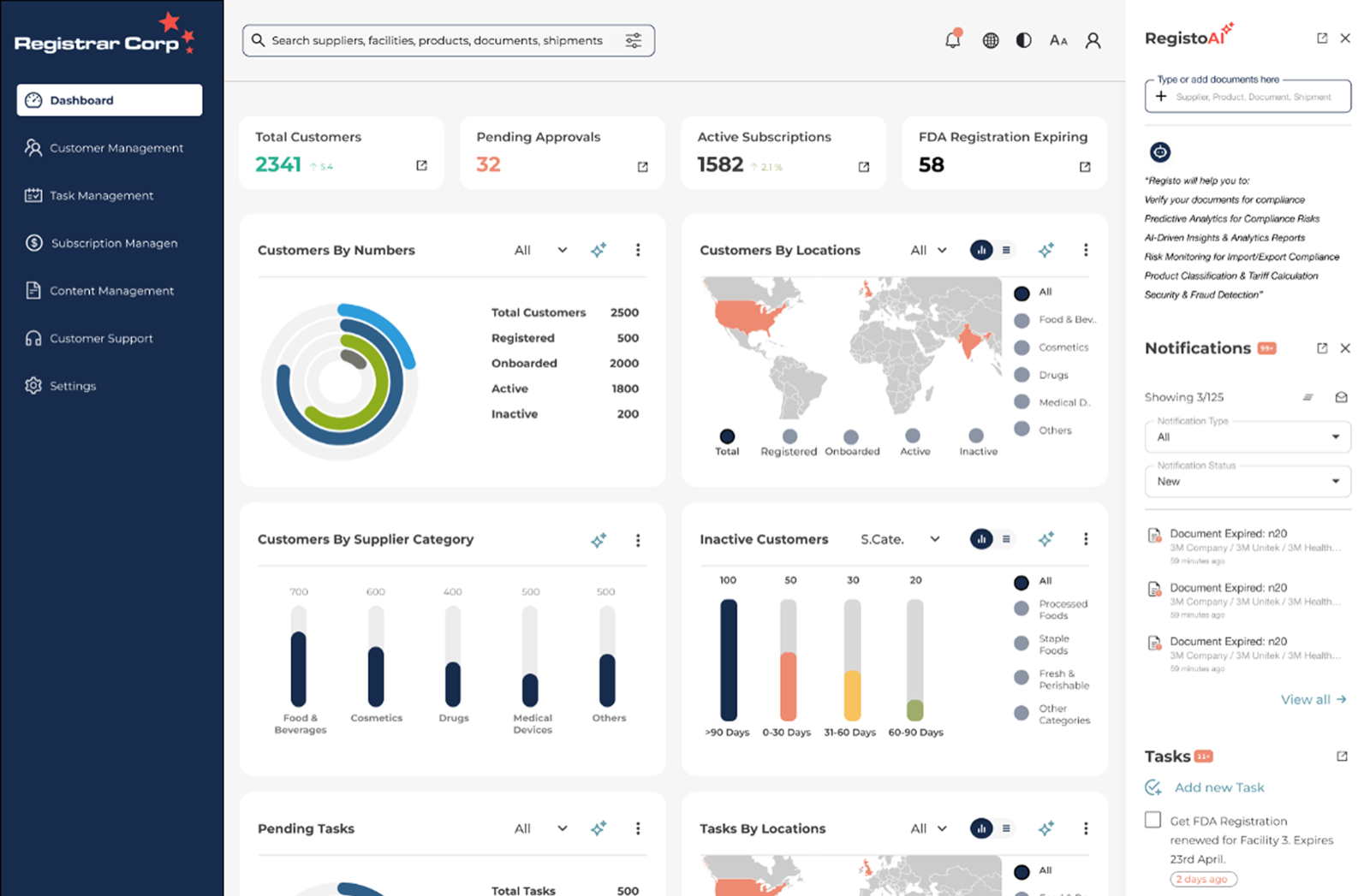
Building a design system is the relatively easy part; the real challenge is designing it for long-term business evolution. Decisions must account for the product portfolio, future acquisitions, and organisational growth.
Equally critical is establishing seamless documentation, developer handoff, cross-team adoption, and ongoing maintenance. Strong governance ensures the system remains consistent, scalable, and adaptable as the business evolves.
Success storyEnterprise design system for legal software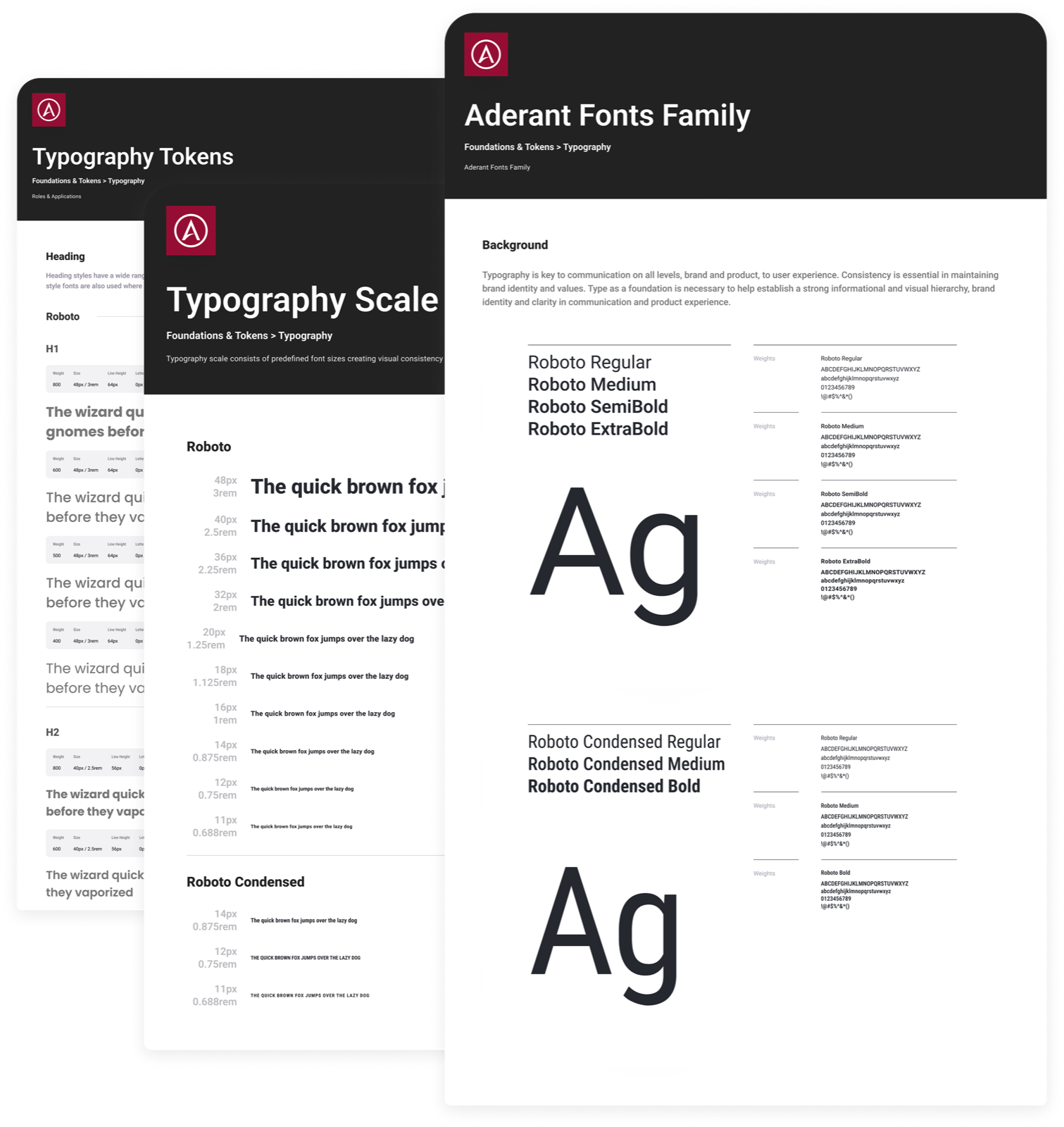
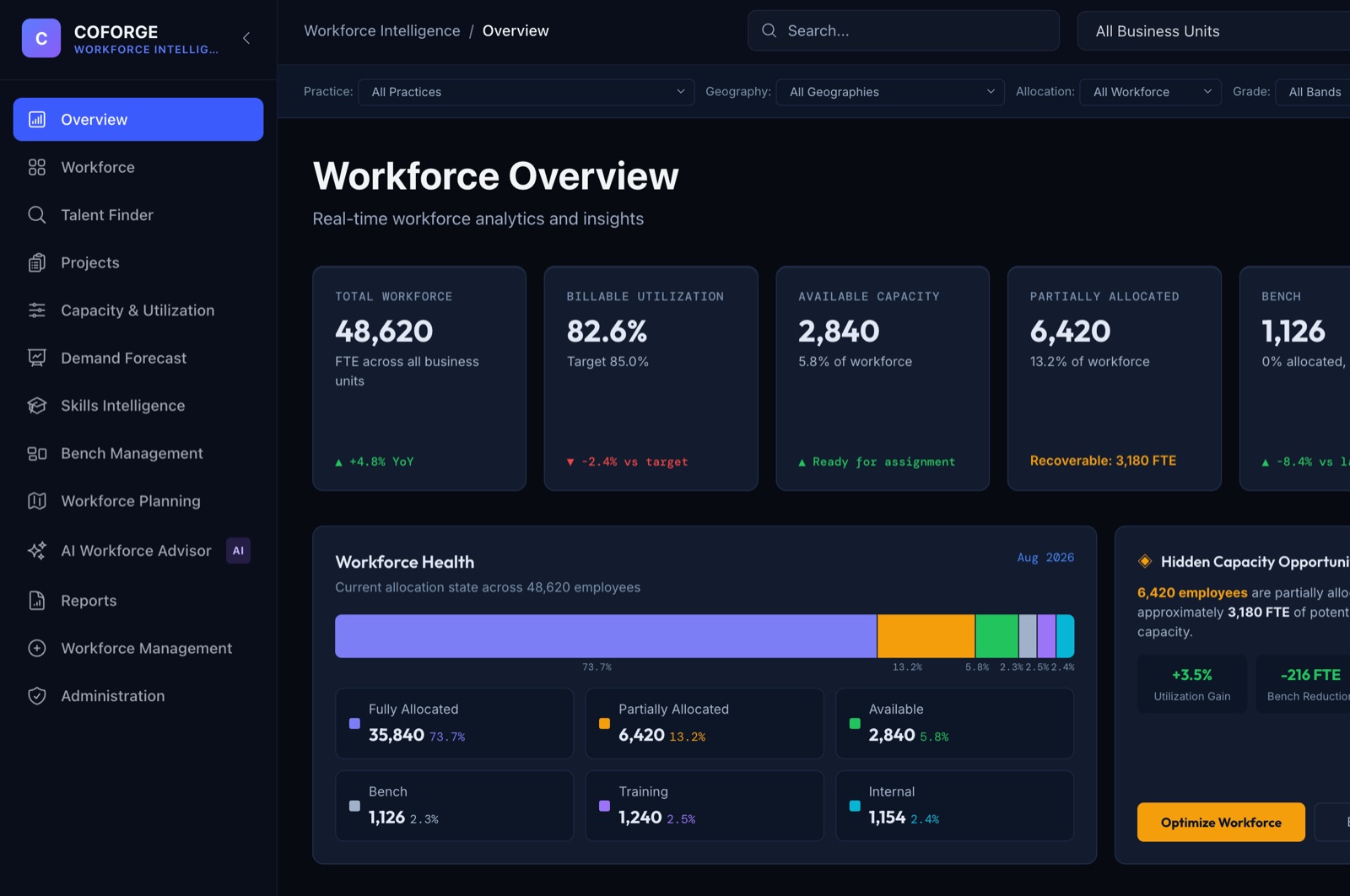
I bridge design and engineering to turn ideas into deployed products. Combining UX strategy, AI-assisted coding, rapid prototyping, and full-stack tools, I take products from discovery and design through implementation, testing, and deployment.
This end-to-end approach accelerates iteration, reduces handoff friction, and transforms design concepts into working solutions faster.
Live product ↗Workforce Intelligence PlatformOther applications: Voyage AI · Travel Intelligence
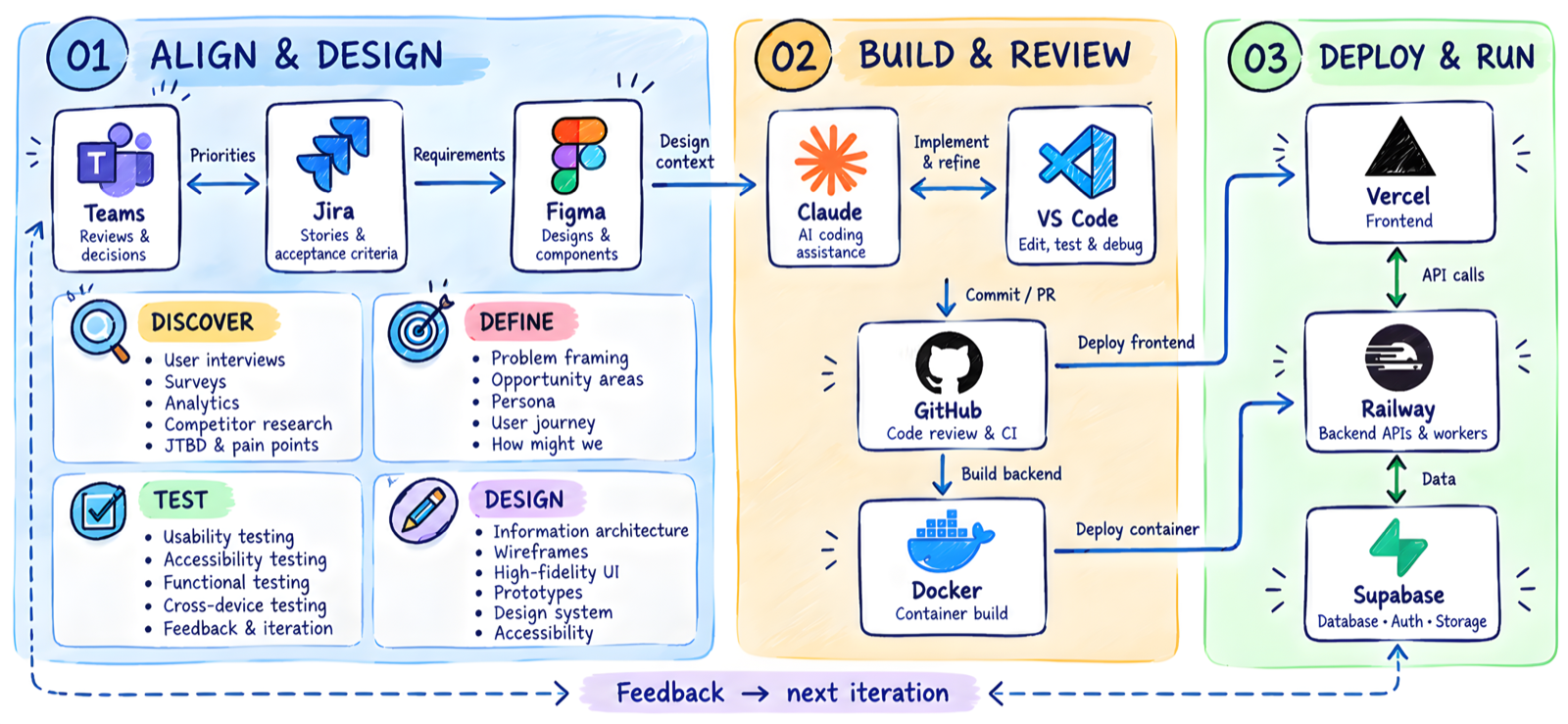
*Process I crafted and followed
I turn complex business challenges into meaningful product experiences.
With an M.Des. from IIT Delhi, I lead design for AI-powered enterprise platforms, staying hands-on by prototyping and building AI agents to explore possibilities, challenge assumptions, and help teams move from ideas to working solutions.
Alongside my design leadership journey, I'm pursuing an Executive MBA at S. P. Jain Institute of Management and Research, strengthening my business strategy and leadership capabilities.
My focus is to bridge design, technology, and business — building scalable products, empowering teams, and connecting design decisions to measurable outcomes.
More about me →“Amit played a key role in modernising our compliance platform. His expertise in design systems and UX strategy helped us create a scalable product that improved usability for our global customer base.”Philip EdgeCTO, Registrar Corp, US
“Amit partnered closely with our teams to customize the Icertis platform for enterprise scale. His ability to balance design thinking with business needs made him a trusted partner in driving user adoption and innovation.”Karim KhanManager, GContracts, Google, US
“Amit Marathe from Icertis brought deep design expertise to Daimler's contract management initiatives. His iterative approach and user focus helped us streamline workflows and increase efficiency across regions.”Jens SchmezerManager, Procurement Systems, Daimler, Germany
“Amit helped us reimagine complex enterprise workflows. His collaborative approach with engineering and product teams ensured that our solutions were not only intuitive but also technically feasible.”Tod DixonProduct Champion, Schlumberger PUTC, India
“Amit was instrumental in designing intuitive retail banking experiences for our customers. His leadership in prototyping and testing ensured that new features aligned with customer expectations and business goals.”Arvind KumarVP – Digital Banking, ICICI Bank, India
I design the space between human intent and AI capability.
Most AI products get the model right and the experience wrong. I focus on the layer that makes AI feel trustworthy, controllable, and genuinely useful — not just impressive.
I came to AI design through 18 years of enterprise UX — designing contract management platforms, compliance ecosystems, banking systems, and developer tools.
In every one of those domains, the biggest UX challenge was never the interface. It was cognitive load: too many decisions, too much information, too little clarity about what matters now. AI, done well, is the answer to that challenge. Done poorly, it's another layer of noise. My job is to make sure it's the former.
“The best AI experience is one where the human feels more capable — not replaced, not overwhelmed, not dependent.”
How AI accelerates and improves traditional product design activities.
How I design AI agents, AI experiences, and human–AI collaboration models.
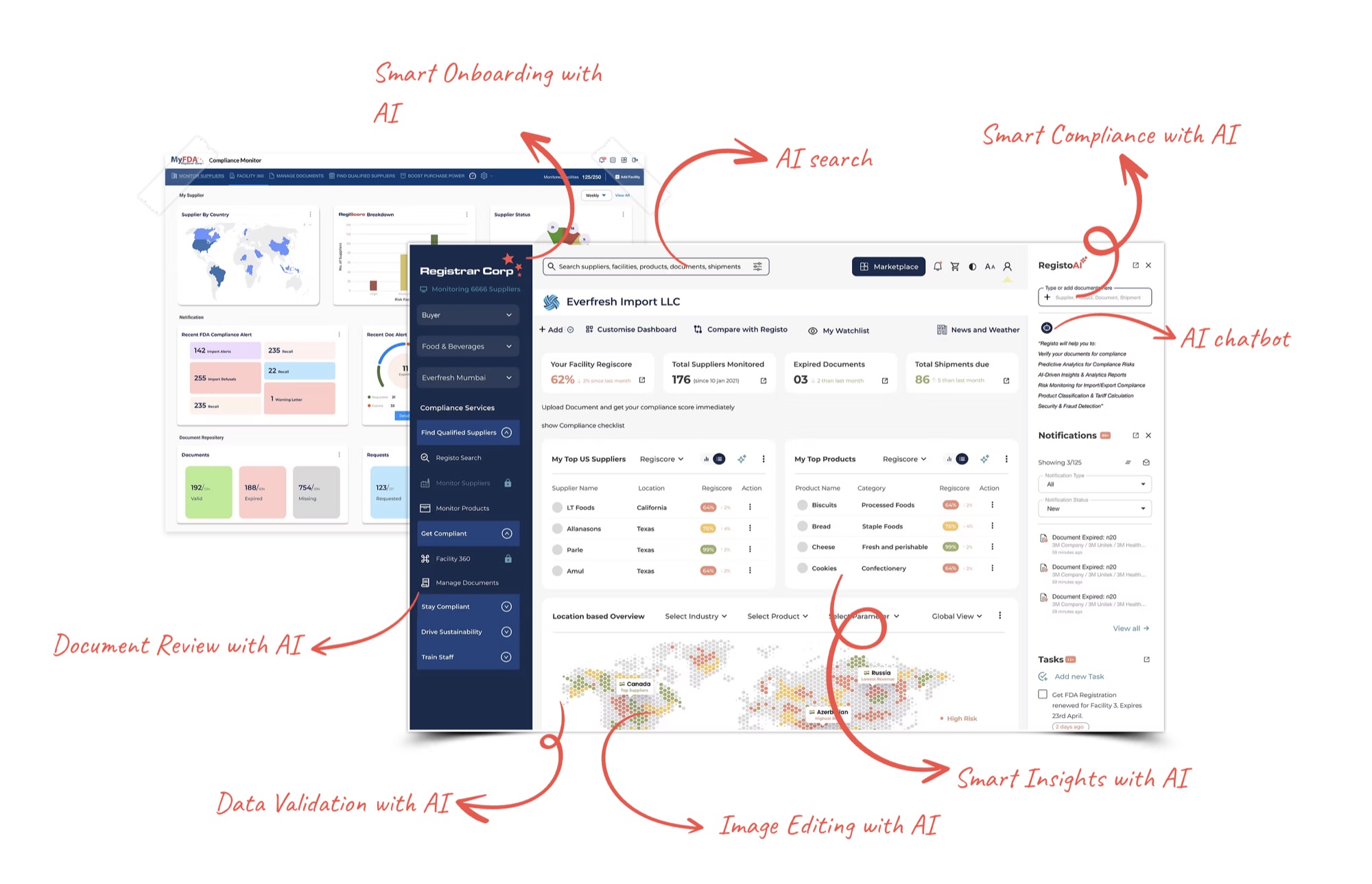
FDA compliance platform modernisation with AI — Registrar Corp × Coforge. I redesigned a fragmented compliance ecosystem, unifying dashboard, marketplace, AI insights, and task management into one cohesive platform.
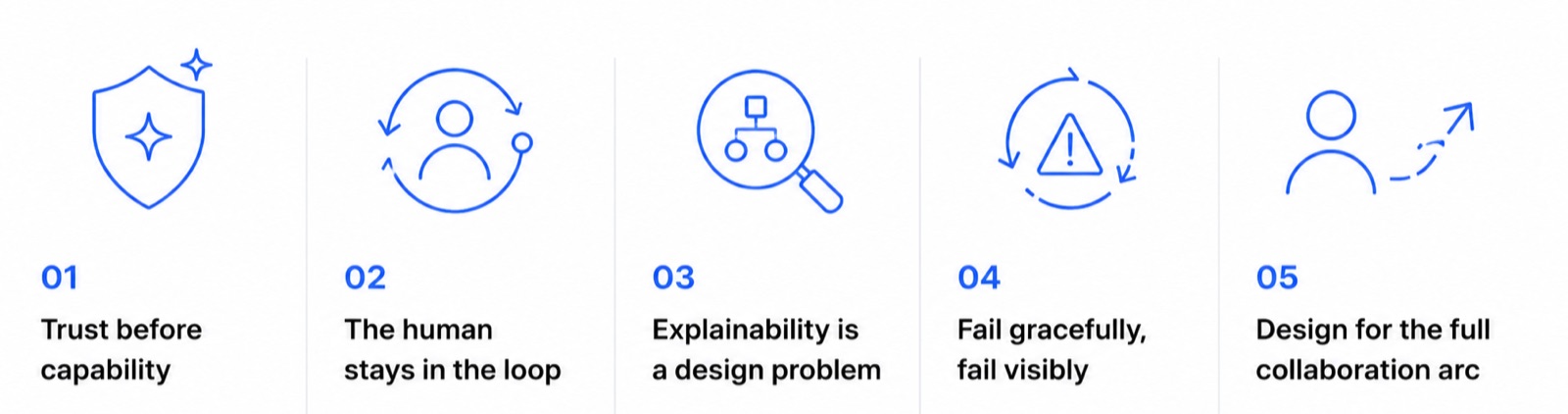
Before any AI feature goes to wireframes, I run it through this five-question framework. It's how I decide what the AI should do, how much autonomy it should have, and what the human always controls.
Is this AI serving the user — or the product? If the primary beneficiary is engagement, not the human's goal, I push back.
Low stakes = more AI autonomy. High stakes (compliance, finance, health) = more human confirmation required. Stakes determine autonomy.
If I can't explain the AI's reasoning in plain language to the user, the feature isn't ready. Explainability is a launch requirement, not a roadmap item.
Every AI suggestion, action, or automation needs a visible, frictionless override path. Invisible AI is untrustworthy AI.
I design the failure state before the success state. If the failure experience is confusing or invisible, the feature isn't ready to ship.
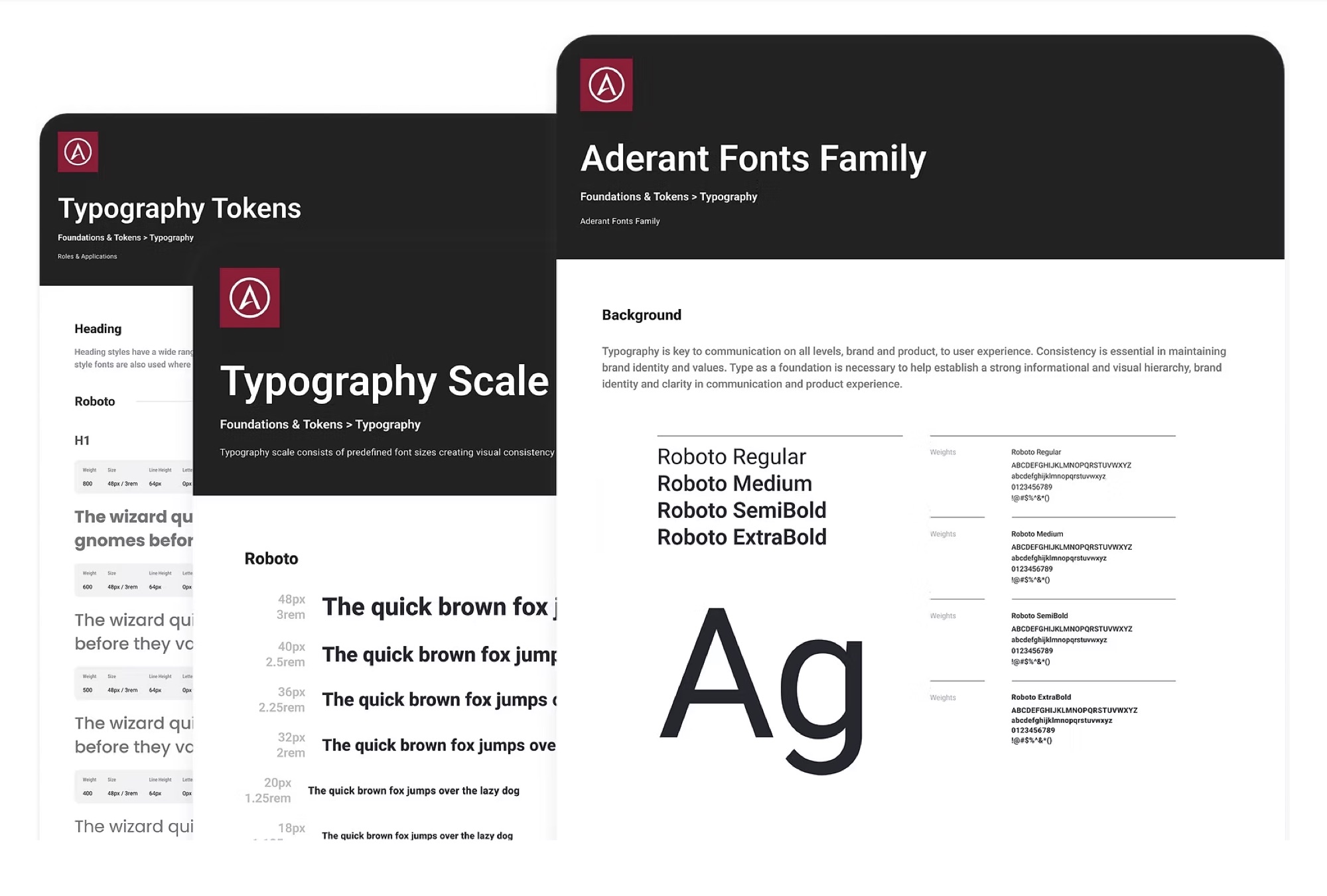
Aderant is a global leader in business management software for law firms. With the launch of a new cloud platform, they faced the challenge of unifying a diverse portfolio of products — each with its own UI patterns, built by distributed teams across multiple tech stacks — into a single, consistent, scalable experience. I led the design system from strategy to component rollout.
A design system is not a component library. It's a product that your designers and engineers use every day. I design it that way — with governance, adoption strategy, documentation, and a contribution model — not just a Figma file.
Every design system I've built has followed this sequence — adapted for the organisation's maturity, team size, and tech stack. The phases aren't always sequential; at Icertis and Registrar Corp I ran discovery and pilot delivery in parallel to show early ROI while strategy was still being finalised.
UI audit of all existing screens. Component catalogue. Inconsistency map. Identify quick wins vs foundational needs.
Tokens first: colour, typography, spacing, radius, elevation. Brand alignment. Dark/light mode strategy. Naming conventions.
Atoms → molecules → organisms. Figma library + Storybook in sync. Accessibility built into every component, not retrofitted.
Contribution model, approval workflow, versioning policy, deprecation process. Define before the first PR arrives.
Usage guidelines, do/don't examples, prop specs, decision rationale. Supernova or Zeroheight. Engineers and designers as co-authors.
Select 1–2 high-visibility teams for first rollout. Learn what breaks. Fix before scaling.
Design showcases, internal workshops, before/after demos. Adoption isn't passive — it's marketed internally.
Component adoption rates, version drift, time-to-integrate, UI inconsistency regression. Treat the DS like a live product.
Most design system projects fail not because the components are wrong, but because no one designed the system around the people who have to use it. Engineers skip it because it's not in their stack. Designers bypass it because it's easier to build from scratch. PMs deprioritise it because the ROI is invisible until it isn't.
I've built four enterprise design systems across different organisations, domains, and team sizes. Every time, the hardest challenge wasn't the token architecture or the component API — it was adoption. Getting 100 engineers across 3 tech stacks to use the same button is a change management problem as much as a design one.
Treat them like one. They need a roadmap, a versioning strategy, a contribution model, and adoption metrics. A Figma file is not a design system.
The moment more than one team uses a design system, you need governance. Who can contribute? Who approves changes? What happens when a component breaks? Define this before you have a crisis.
Components are visible. Tokens are structural. A well-defined token architecture — spacing, colour, radius, elevation — is what makes a design system portable across products and themes.
The distance between a Figma component and its code equivalent is where inconsistency lives. I work closely with frontend leads to keep Figma and Storybook in sync — not as a handoff, but as a shared source of truth.
Every component needs usage guidelines, do/don't examples, accessibility notes, and a decision rationale. Documentation that lives only in designers' heads doesn't scale.
I design the onboarding experience for the design system itself — how do engineers discover components? How do designers contribute? Adoption is not a training problem. It's a UX problem.
The fastest path to a credible MVP isn't more features — it's a tight loop of ecosystem research, a single validated core action, and instrumented testing from the first release.
Talento Today went from founder vision to a successfully validated beta by treating research and analytics as part of the design process, not a step before or after it.
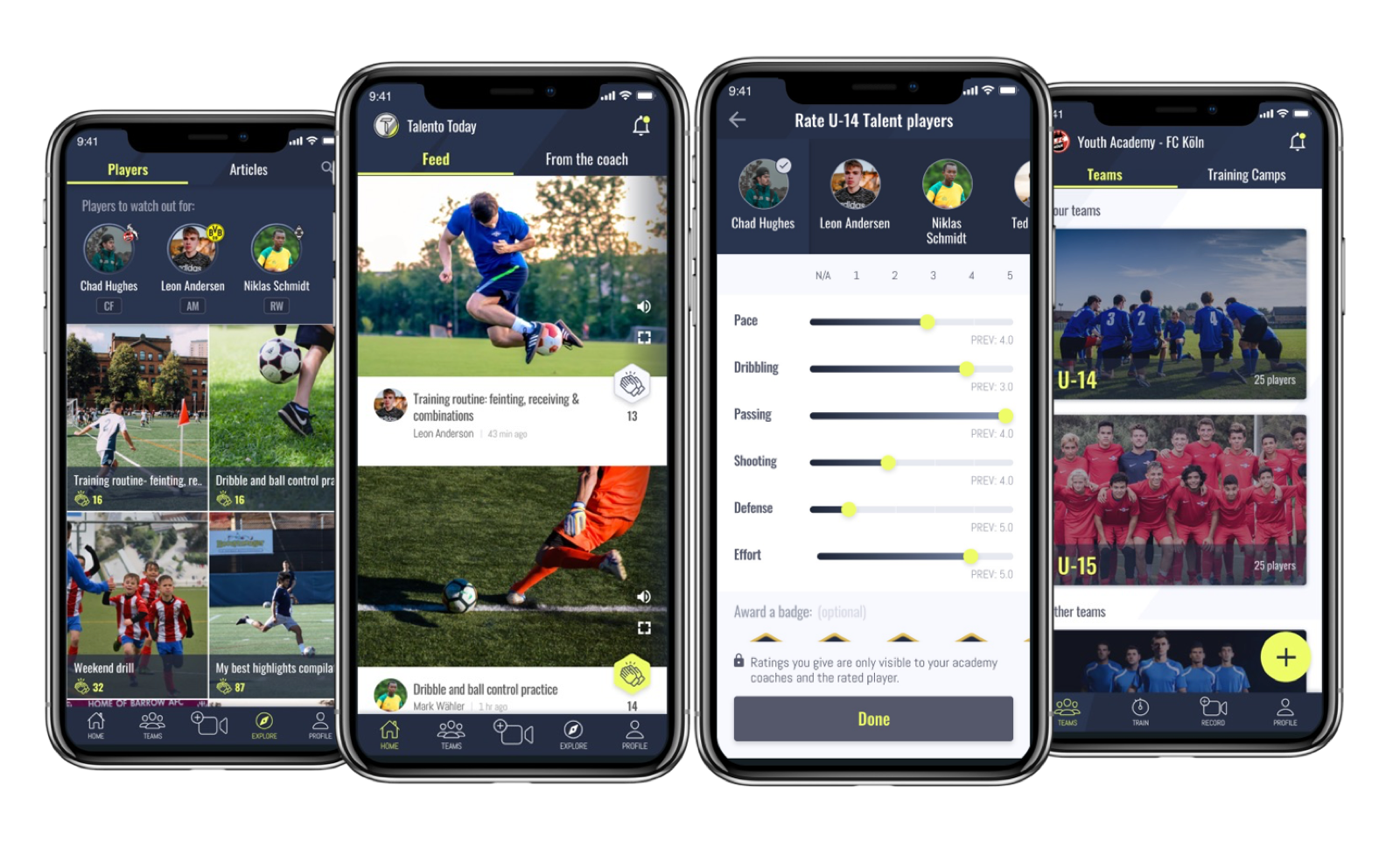
What it actually takes to go from a founder's idea to a validated, beta-released consumer app — condensed from designing Talento Today as sole product designer for an early-stage German startup.
Workshop with founders + engineering lead. Roles, workflows, pain points — before any screens. 5 days to map the entire ecosystem.
12 interviews across 3 countries, real personas, 4 competitor products benchmarked.
One central action across all 3 personas, designed as one connected system. Reusable components from day one.
On-field testing + analytics before and after beta release.
A scalable UX transformation for the enterprise.
Read case →A comprehensive design system for legal enterprise software.
Read case →A platform for aspiring youngsters to play professionally.
Read case →Adolescent self-discovery and self-care (Lucero).
Marketplace for the EV charging infrastructure ecosystem (Vahanomy).
Enterprise platform for contract management (Icertis).
Home buying experience for consumers and service providers (Souqh).
Mobile application for a mind–body–spirit assistant.
Web and mobile app for stories, memories and engagement.
Web and mobile application for asset tracking (Troverlo).
Mobile app for networking university students and alumni (Angelgrad).
Enterprise application for laboratory management.